Tintas de curado dual del futuro: Beneficios e implicaciones de adoptar tintas UV/LED
Este blog explora las razones para adoptar dispositivos con capacidad LED., tintas de curado dual en impresión flexográfica, incluso cuando las prensas existentes están equipadas con sistemas de curado UV. Las tintas LED brindan beneficios operativos inmediatos que las impresoras modernas requieren. A medida que más convertidores pasan de UV a LED, Las impresoras inteligentes pueden salir adelante adoptando tecnologías de curado dual..
Un movimiento más inteligente, Incluso sin lámparas LED
La industria de la impresión ha dependido durante mucho tiempo de las lámparas de vapor de mercurio para el curado ultravioleta de tintas y recubrimientos.. sin embargo, Las preocupaciones ambientales y de salud relacionadas con el mercurio están acelerando un cambio global hacia tecnologías libres de mercurio..
A diferencia de las lámparas de mercurio, Los sistemas de curado LED utilizan diodos emisores de luz para producir energía UV en longitudes de onda específicas con alta eficiencia.. Los sistemas LED se pueden encender y apagar inmediatamente y emiten bajas cantidades de radiación infrarroja., permitiendo un curado seguro, especialmente en sustratos sensibles al calor.
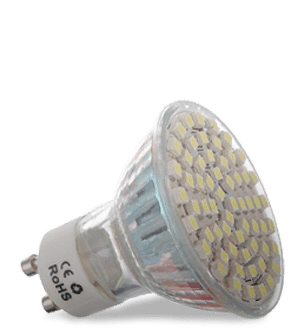
Las tintas Zeller+Gmelin UV/LED pueden polimerizar tanto bajo lámparas de mercurio tradicionales como bajo lámparas LED., Permitir a los impresores utilizar una línea de tinta en todos los sistemas de mercurio existentes., mientras se prepara para futuras instalaciones LED.
Beneficios inmediatos en las prensas actuales
Con la tecnología de curado dual de Zeller+Gmelin, Los impresores pueden ver los beneficios de usar una sola línea de tinta en las unidades de curado LED y de mercurio., racionalización del inventario, y reducir el tiempo de cambio. Las impresoras también pueden aprovechar la resistencia de los LED a la gelificación prematura y pueden mantener mejor la consistencia del flujo en tiradas más largas..
Adicionalmente, Las formulaciones UV/LED a menudo tienen una menor volatilidad del fotoiniciador y una mejor estabilidad en almacenamiento., lo que reduce la formación de piel en el recipiente de tinta. Las tintas LED Z+G también se pueden formular para cumplir con estrictos estándares de baja migración., haciéndolos adecuados para aplicaciones indirectas de envasado de alimentos y productos farmacéuticos que deben cumplir con regulaciones como la GIO, Ordenanza suiza sobre tintas y directrices sobre tintas para envases de Nestlé.
Por último, fotoiniciadores más seguros y niveles más bajos de compuestos orgánicos volátiles en las tintas LED pueden disminuir los olores, beneficiando tanto a los operadores como a los usos finales sensibles.
Preparándose para un futuro libre de mercurio
La presión regulatoria está aumentando a medida que el Convenio de Minamata tiene como objetivo eliminar el mercurio de productos y procesos.. Muchos países ya lo han ratificado y se espera que otros lo sigan..
en julio 2024, La Unión Europea actualizó su Reglamento sobre Mercurio, prohibir la fabricación, importar, y exportación de ciertos tipos de lámparas que contienen mercurio antes de diciembre 31, 2025, o diciembre 31, 2026, dependiendo del tipo de lámpara. Estas reglas alientan a los fabricantes de equipos a eliminar gradualmente los sistemas UV de mercurio y motivan a los impresores a encontrar métodos de curado alternativos.. Medidas similares están empezando a surgir en EE.UU., con aproximadamente 14 Estados y contando que han promulgado restricciones o prohibiciones sobre lámparas de mercurio..
Al adoptar tintas con capacidad LED ahora, Las impresoras pueden evitar la obsolescencia a medida que se eliminan las lámparas de mercurio.. El uso de tintas de curado dual ahora también elimina la necesidad de recalificar las tintas cuando se actualiza al curado LED más adelante., reducir el tiempo de inactividad durante las conversiones de equipos.
Más tiempo de actividad, Menos energía
La tecnología de curado LED ofrece mejoras significativas en la productividad. Los estudios de caso de Z+G informan que Tintas flexográficas UV/LED, combinado con sistemas de curado LED de alta intensidad, Logre velocidades récord de prensa y permita a los convertidores imprimir en películas sensibles al calor sin rodillos fríos..
Las unidades de curado LED ofrecen más tiempo de actividad porque se inician instantáneamente y no tienen partes móviles, permitiendo a los operadores reducir la limpieza de las contraventanas o el reemplazo de bombillas. El ahorro de energía es sustancial; Los sistemas LED consumen más 50% Menos energía y elimina la necesidad de extracción de humos., reducir las emisiones de CO₂ y la necesidad de aire de reposición HVAC.
El uso de una serie de tintas en ambas plataformas de curado también simplifica la gestión del inventario y mejora la confiabilidad del suministro., ya que las tintas LED modernas dependen de fotoiniciadores actualizados que tienen menos probabilidades de sufrir escasez.
Destaca con la impresión sostenible
Las marcas y los consumidores siguen otorgando un mayor valor a la sostenibilidad. El curado LED elimina el mercurio, reduce el uso de energía, y reduce las emisiones de carbono, posicionamiento de impresoras, y sus clientes de marca, como empresas ambientalmente responsables.
Adicionalmente, utilizando baja migración, tintas de doble curado garantiza el cumplimiento de las normas sobre envasado de alimentos, creando oportunidades en mercados regulados. Los impresores que adoptan estas tintas pueden demostrar de forma proactiva que están preparados para la conversión LED, diferenciarse en ofertas competitivas, y alinearse con los objetivos ambientales corporativos.
Qué considerar antes de hacer el cambio
Mientras que las tintas UV/LED ofrecen numerosas ventajas, Los impresores deben considerar factores como las primas de costo de la tinta., la necesidad de capacitar al equipo de prensa, y pruebas de compatibilidad en sustratos y revestimientos específicos.
Los presupuestos deberían tener en cuenta precios de tinta potencialmente más altos, aunque los valores de rendimiento compensan rápidamente cualquier aumento de precio. Los operadores de prensa pueden requerir capacitación para optimizar los ajustes de curado y comprender la ventana de curado más amplia de las formulaciones UV/LED., diferente de los rayos ultravioleta. Se recomienda realizar pruebas de compatibilidad para verificar la adhesión., propiedades de brillo y resistencia, especialmente en sustratos únicos o recubrimientos especiales.
Construyendo resiliencia para lo que viene después
La adopción de tintas de curado dual UV/LED permite impresoras flexográficas para obtener ganancias de rendimiento inmediatas, cumplir con estrictas regulaciones de envasado de alimentos y posicionar sus operaciones para un inevitable cambio en la industria hacia el abandono del mercurio.. La combinación de presión regulatoria, beneficios operativos, y las ventajas de sostenibilidad hacen que la transición a tintas UV/LED sea una decisión estratégica acertada para los impresores de todo el país.
Zeller+Gmelin tiene décadas de experiencia formulando productos de alto rendimiento., cura dual, Sistemas de tinta UV/LED diseñados para respaldar el futuro de las operaciones de la sala de impresión. Con soluciones diseñadas para la estabilidad, eficiencia, sostenibilidad, y brillo del color, Zeller+Gmelin ayuda a los impresores a prepararse para lo que viene.
Póngase en contacto con su representante local de Zeller+Gmelin para aprender cómo nuestro Soluciones de tinta UV/LED puede respaldar su operación hoy y liderar su sala de impresión hacia el futuro.